
On the 50th day after the exodus from Egypt, the Jews approach Mount Sinai and receive the Torah from God, thereby concluding a covenant with Him to be for Him "a kingdom of priests and a holy nation," that is, to wholeheartedly fulfill the new commandments that God gives to the Jewish people, and to spread the knowledge of God throughout the world.
Like many other Jewish holidays, Shavuot marks not only a specific historical event, but also the completion of another agricultural cycle: Shavuot was celebrated at the beginning of the wheat harvest season. It is the last of the three pilgrimage holidays. In ancient times, on this day, the second offering of the new harvest was made in the Temple: two loaves of bread were baked from freshly ground wheat and carried to the Temple. Another offering was the best first fruits.
It is customary to decorate synagogues with greenery. Based on the Talmud, traditions establish: to study "Tikkun Leil Shavuot" all night, or Talmud. In Jerusalem At night, a crowd of people heads to Wailing Wall and prays there with the first minyan. In synagogues, a Torah scroll is brought out and the story of how it was given, the text of the Ten Commandments, and a fragment telling about the laws of celebrating Shavuot in the Temple are read.
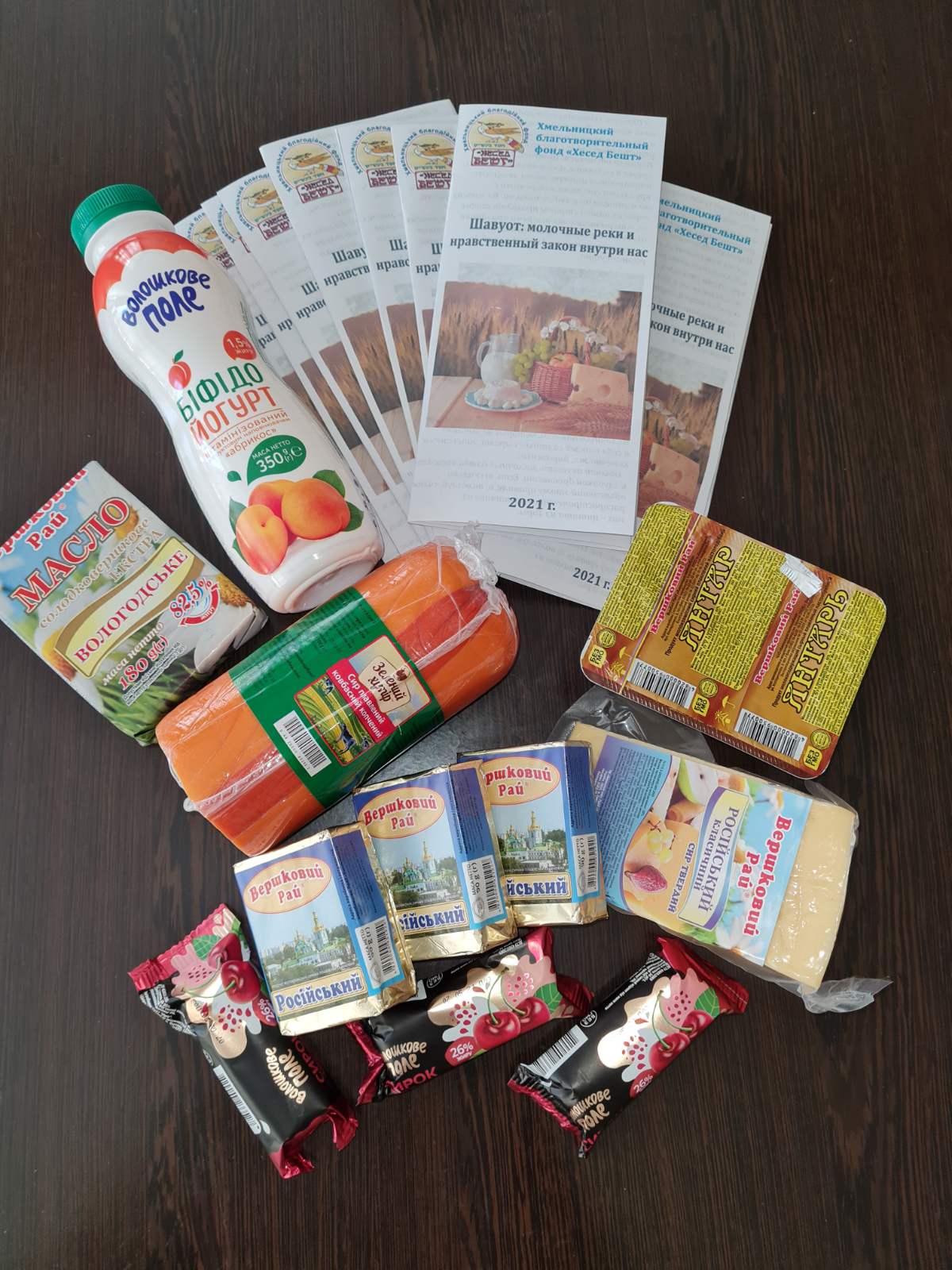
The festive meal on Shavuot necessarily includes dairy and flour foods: cottage cheese, sour cream, pancakes with cottage cheese, pies, cakes, gingerbread with honey, dumplings, pies. This custom originates from the day of the giving of the Torah. Returning to the camp from Mount Sinai, the Jews were content with dairy foods. Since then, paying tribute to the past, on Shavuot they eat something dairy before dinner and only then serve festive meat dishes in a separate dish.
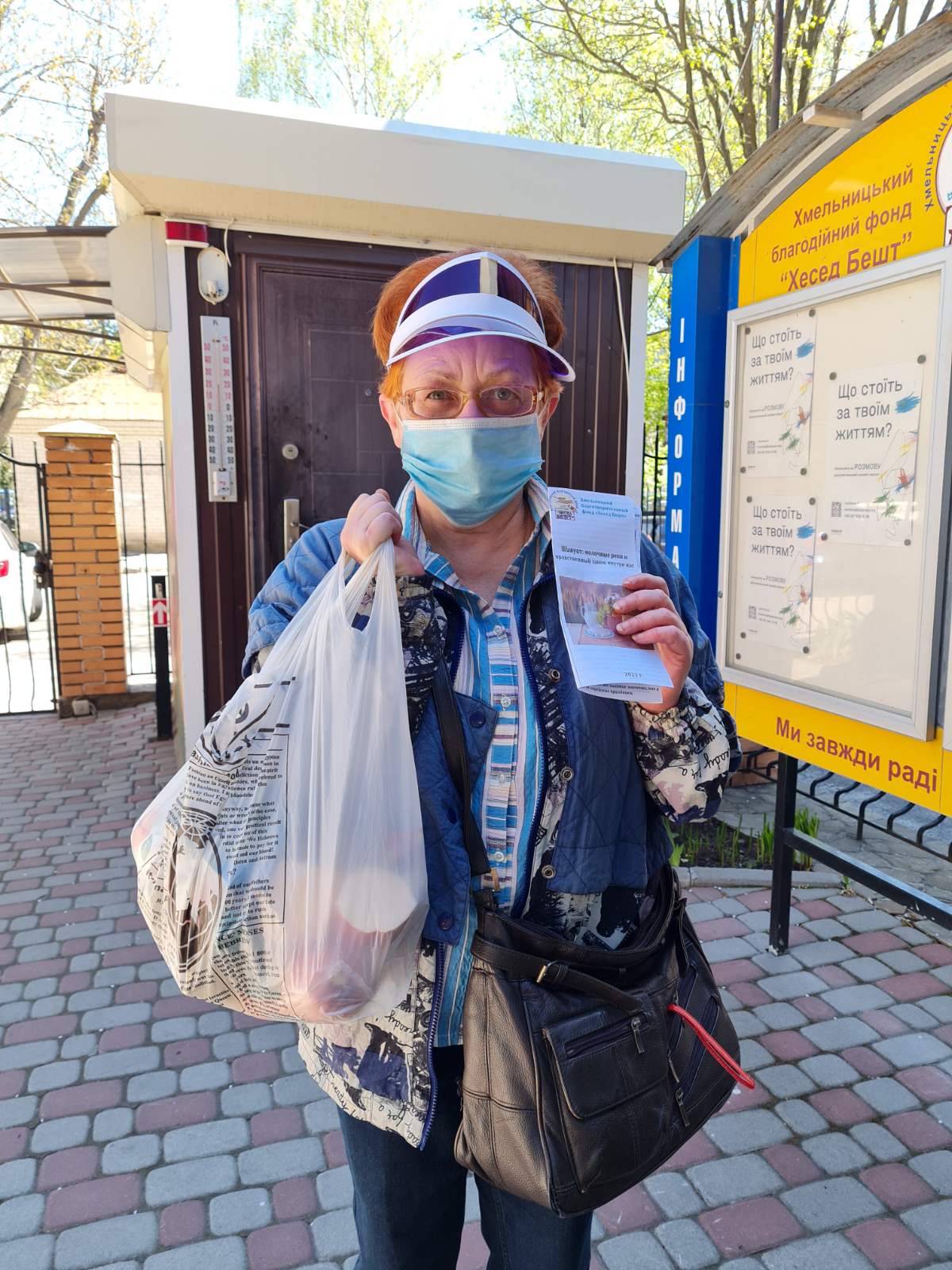
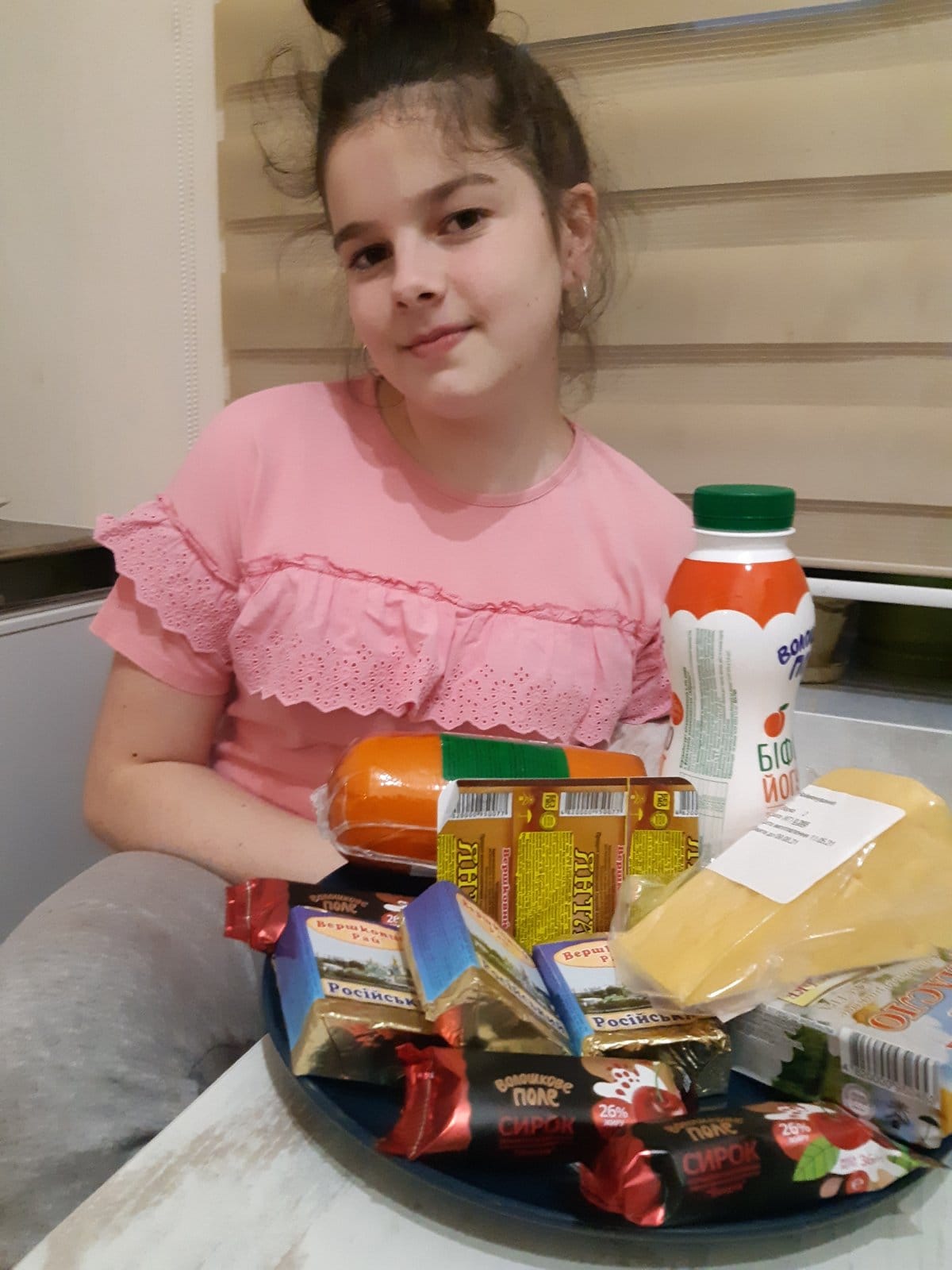
This year, Day Center participants and clients were given sets of various dairy products from the Khmelnytskyi Butter and Cheese Factory. We wish everyone a happy celebration!