
Ten years ago, few could have imagined that artificial intelligence (AI) would become a part of everyday life. Today, it identifies trends and automates routine processes in all areas. But are care workers ready to adapt to the digital age?
Figures that change perceptions
According to the WHO, the global demand for health and social workers will increase by 40% by 2030, requiring new skills. A European Commission survey shows that 90% of health workers are already using digital technologies in their work.
Education and adaptation
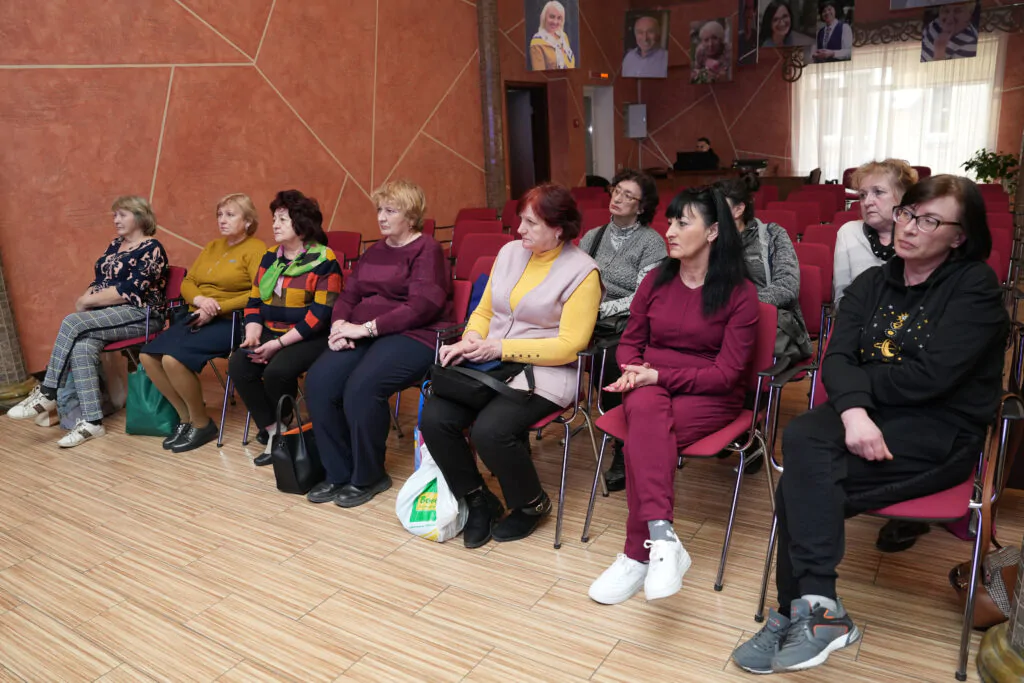
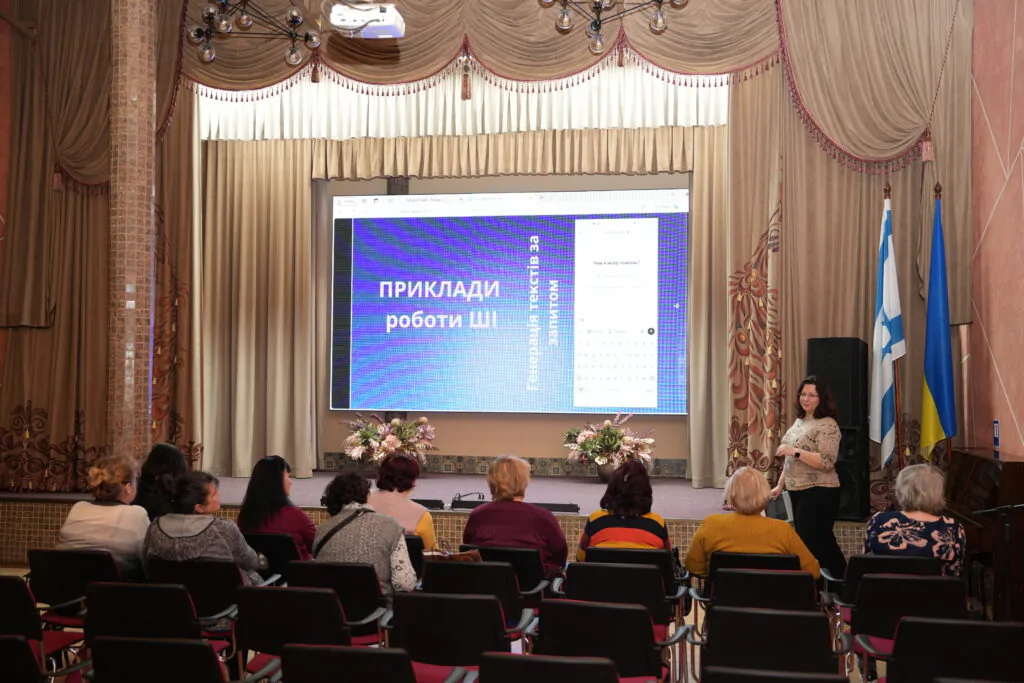
That is why a lecture on the topic "Digitalization and Artificial Intelligence: Opportunities and Threats" was held for the patronage workers of the Hesed Besht Foundation. The participants were introduced to the main areas of application of AI, available tools that can be useful in the work of an employee, and key terms that seemed incomprehensible yesterday.
The importance of digital literacy
The media is full of information about artificial intelligence, cybersecurity, and digital technologies. If a care worker does not understand these terms, they risk falling behind not only their colleagues but also society as a whole.
The world will not wait for us to adapt – the changes are happening now. Those who do not have time to master basic digital skills risk being left out of the profession. It is time to act to remain competitive in today's world.