

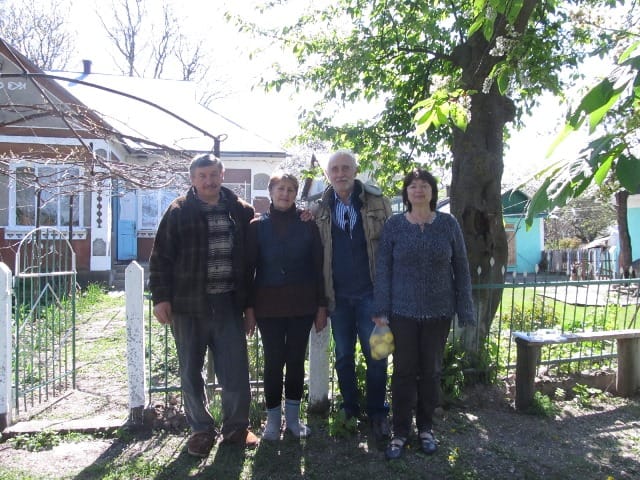
A well-known journalist from Israel paid a private visit to the Khmelnytskyi region – Volodymyr Bader. Together with his wife, they visited the Community Center "Thia", where they met with the Director of the Hesed Besht Community Foundation Igor Ratushny. On April 27, the guests went to the village of Kupil, Volochysk district, where Volodymyr Khaimovich's family comes from. He was last here more than thirty years ago. They were accompanied on the trip by the Information Manager of the Hesed Besht Community Foundation Vyacheslav Nagnybida. What they saw and experienced firsthand impressed and even confused all the participants of this trip.
Font – a small village 19 km from the Voytivets'kyi traffic police post on the Khmelnytskyi-Ternopil highway. The Southern Bug River originates near the village. Now industry, like everywhere else, is not developing in the best way, but the streets of the village are neat and clean, tractors and other mechanization flutter in the fields. Historically, Ukrainians, Poles, and Jews lived here: according to testimony, everyone stuck to their communities, but there were no conflicts. Until the new communist government came. And later – the fascists.
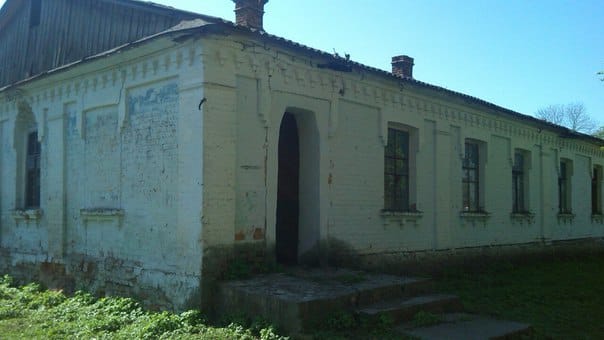
The first stop in Kupel is the village council. The employees greet the guests warmly, but with a bit of prejudice. After explaining the purpose of the visit and asking about old-timer Yanina Malinovska, a relative of the famous Caesar Malinowski, who was awarded the title of Hero of the USSR, tell everything you need to know. Opposite the village council stands an old post office building - there is a story from Volodymyr himself connected with it. According to him, when the communists were going to build this building, they began to take the necessary funds from the Jews. They were taken to a tobacco shop and, as usual, demanded gold. Volodymyr's grandfather suffered the same fate, but his family was poor and had no gold. Then his grandmother went to the relevant authorities and said that the only thing they could offer was US dollars. The Bolsheviks agreed, since they didn't care. Then a communication session was organized from the unfinished post office building with relatives in America, who quickly sent the necessary amount of money to Kupil. After that, the grandfather was released.
The next stop is the Malinovskys' house. During the last visit, the journalist stayed here with Mrs. Yanina, who told many stories about the war, exploits, and betrayals. At the gate, we were met by her daughter Maya and her husband Vyacheslav. Unfortunately, the conversation with Mrs. Yanina herself did not take place: ninety-eight years had taken their toll. The bedridden woman did not say a word, so the conversation took place in the next room. It was not possible to establish the veracity of one story that Volodymyr brought with him, but Vyacheslav told another, very similar in content. At the beginning of the war, a woman lived in the next house. The Bolsheviks "dispossessed" her family, and when the fascist invaders came, many of them found shelter in her house. On March 8, 1944, the Red Army came to Kupel. About 400 Soviet soldiers died in the battles for this village, as it was an important communication center and access to the railway. The woman was one of the first to meet the soldiers and did not betray the Germans who were hiding in her house. When our soldiers settled on the street, a hidden detachment shot many liberators with direct fire in the back. According to unverified information, after the liberation of the village, the traitor was taken out of the village, where she was torn in half by tanks. And by the decision of the local council, her house was given to Caesar Malinovsky, since his house at the other end of the village did not survive the war.
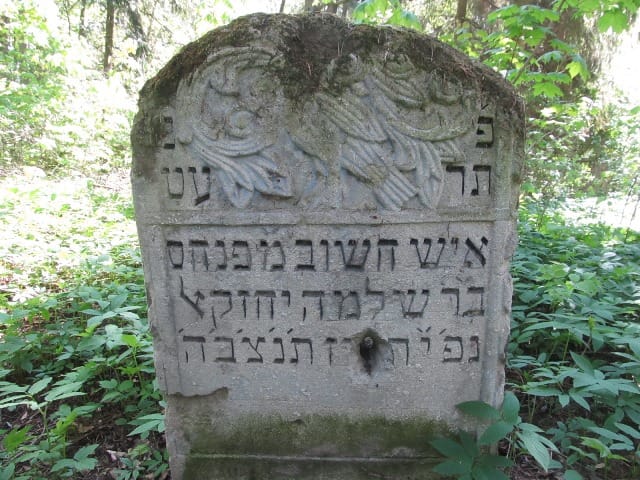
After a heartfelt conversation, the guests' car drove to the old Jewish cemetery. At first, they simply drove past it - they didn't notice it. It's no wonder: completely overgrown with thick bushes and tall trees, the cemetery is completely invisible from the road. Only after walking along the edge of the overgrown area did they manage to see the leaning matzevah.
The condition of the cemetery is terrible. Some abandoned workshops or garages have been built right next to it. There is a lot of garbage. Some of the monuments have been overturned, many are broken. In the only matzeva that is not overgrown with moss, a through hole of unknown origin gapes. At the edge of the cemetery stands a memorial to those who died during the Holocaust. The fences are in place, there are no cracks, but the stele itself is not distinguished by a particularly creative approach to execution. In general, being in this place inspires sadness and moral decline, but to put the cemetery in order, even by the smallest estimates, so much money and labor are needed that neither the local authorities nor the Jewish community of the entire region are able to allocate.
On the way back, we stopped at the former market square. A great tragedy for the Jewish community occurred here. Before the war, there were small stalls in this place. The Nazis and their accomplices, having driven the Jews to the square, found no other way than to crowd the corners of the stalls with people. People were packed so tightly that over time they died there simply from lack of air. About three hundred Jews died in this way. According to legend, only one child managed to escape through a hole in the ceiling of one of the stalls, but nothing more is known about the fate of the baby.
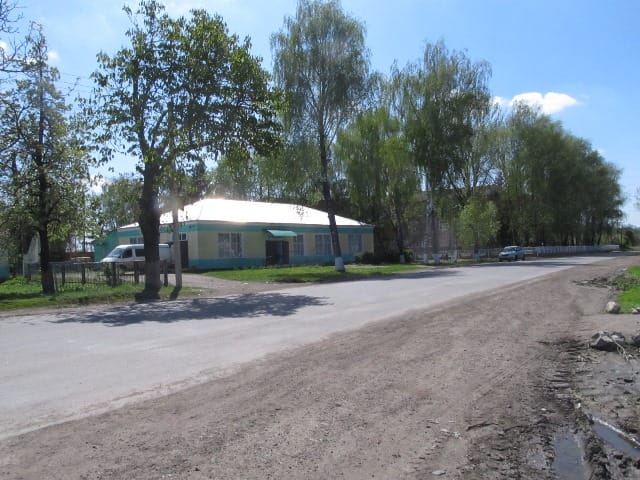
After visiting the Fountain, the car also stopped at the old brickyard in Volochysk, where a reconstructed church stands. monument to local Holocaust victims.
There are quite a few villages like Kupil in the Khmelnytskyi region. And there are also plenty of cemeteries like the local one. Without outside help, the situation will not change, so Volodymyr will definitely publish what he saw and heard for the general public. We are doing the same, telling about this trip.
