
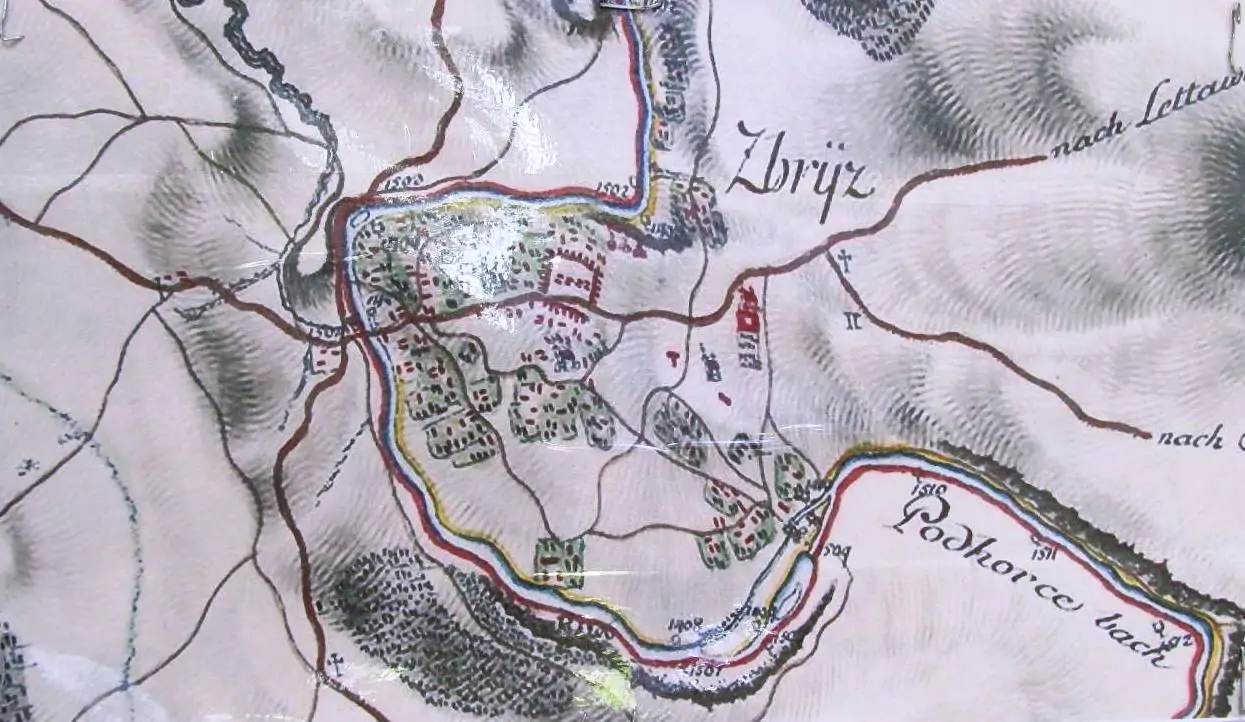
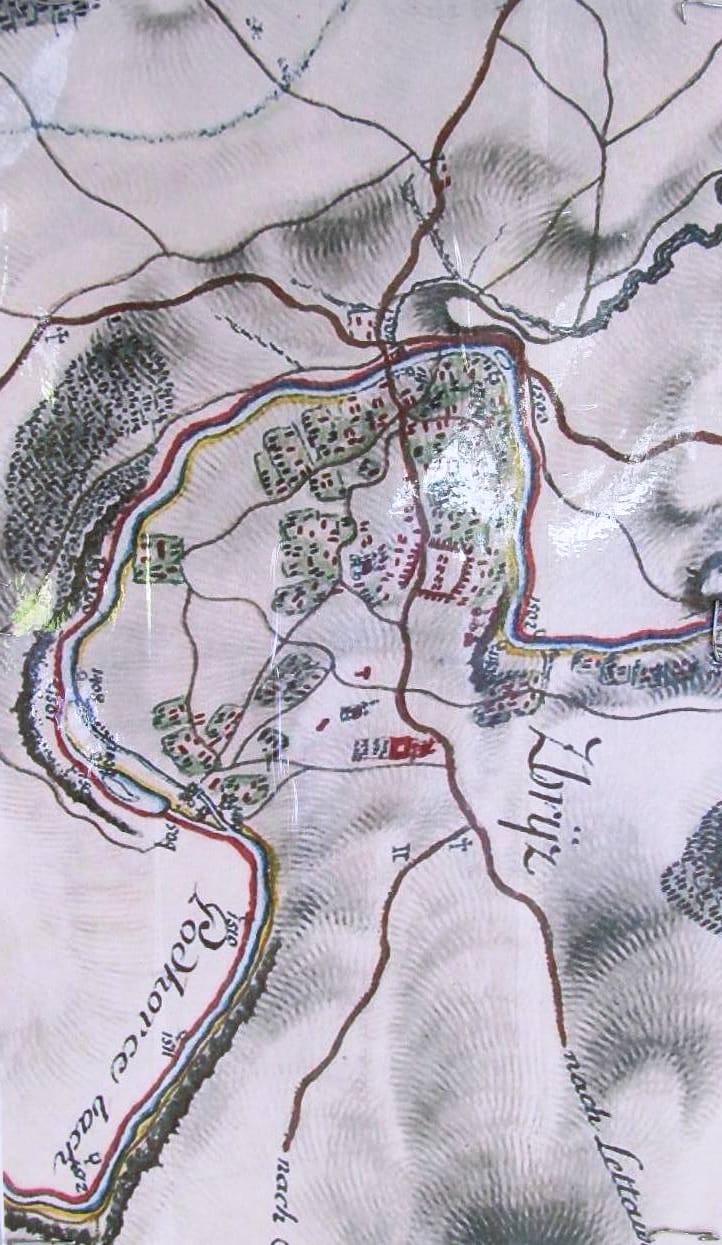
We are not going to the border of Khmelnytsky and Ternopil regions to relax in the picturesque nature of Podilskyi Tovtry and winding Zbruch. At the beginning of the century, the bustling town of Zbryzh, a significant part of which was inhabited by Jews, was bustling here. Employees of the Khmelnytsky Charitable Foundation “Hesed Besht”, led by Director Ihor Ratushny, were invited here by the head of the village of Zbryzh and Sokyrynets - Oleksiy Vasylyovych Umnov, to personally tell about the finds and secrets that remained in this territory.
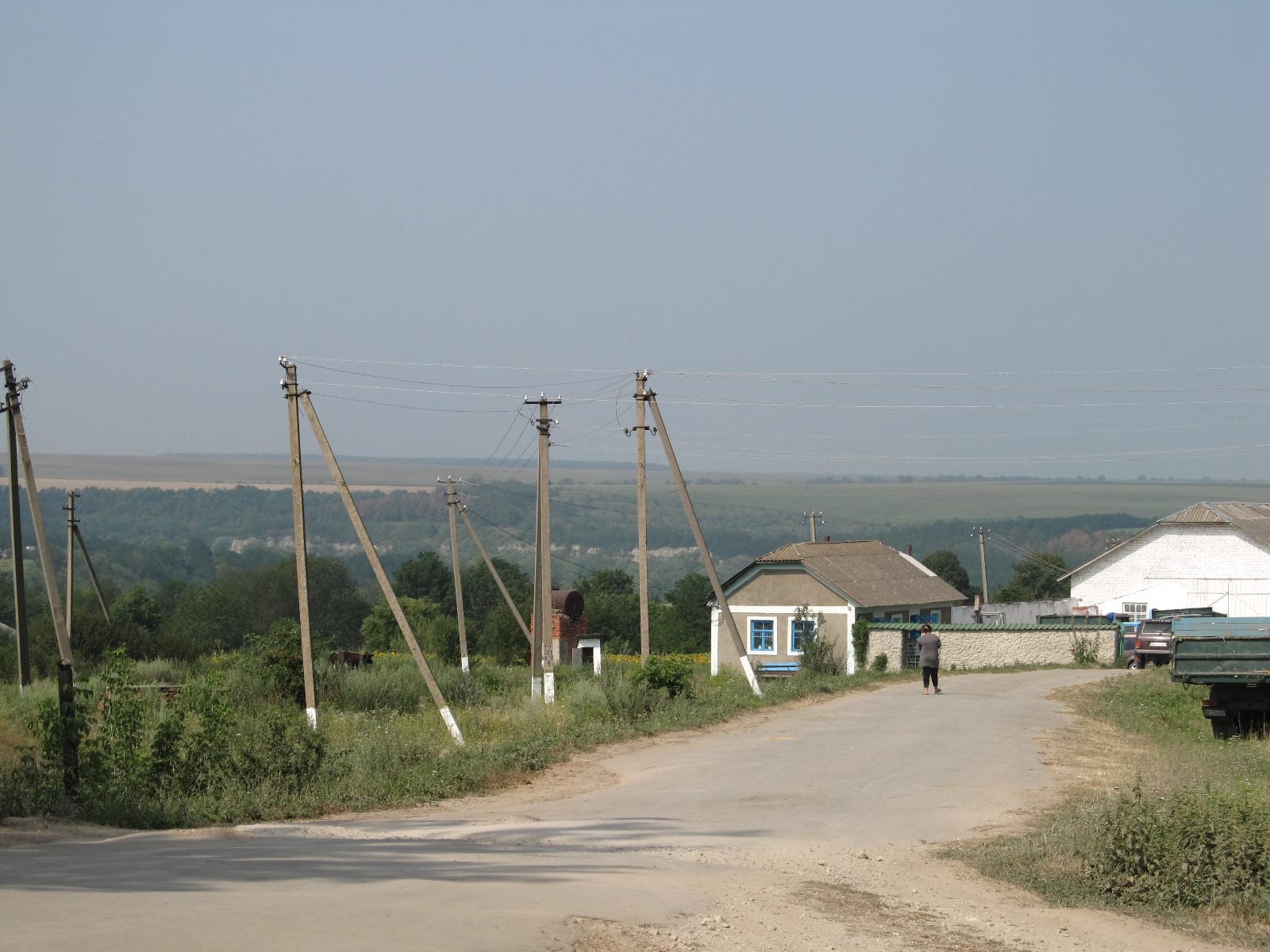
We meet at the top of the village, near the stream, from where you can see the winding canyon of ancient Zbruch and the panorama of the former town. Now the village of Zbryzh is a small settlement with undivided land plots, which are extremely numerous in Ukraine and our region in particular. The only evidence of its former greatness is memories and a few buildings that can still be seen among the trees. One of them is an old synagogue, converted into an industrial agricultural building. Mr. Oleksiy is happy to talk about the past of Zbryzh, supplementing the official history with his own memories of the life of the Jewish community, which he was lucky enough to see.
You can find historical information, prerequisites and consequences of obtaining the Magdeburg Right for Zbrzych at this link. As for the Jewish community, the kahal belonged to the central part of the village, where the market square, houses and synagogue were located. To this day, Jewish words have remained in the village to designate its parts: for example, there is the district "okopysko", which means "cemetery". The beginning of the decline of the community does not fall on the fascist occupation, but earlier, at the beginning of the First World War. The front line fell precisely on these lands, so most of the Jews were resettled before the arrival of the Nazis. Although during the occupation there were also their Righteous Among the Nations and their saved Jews.
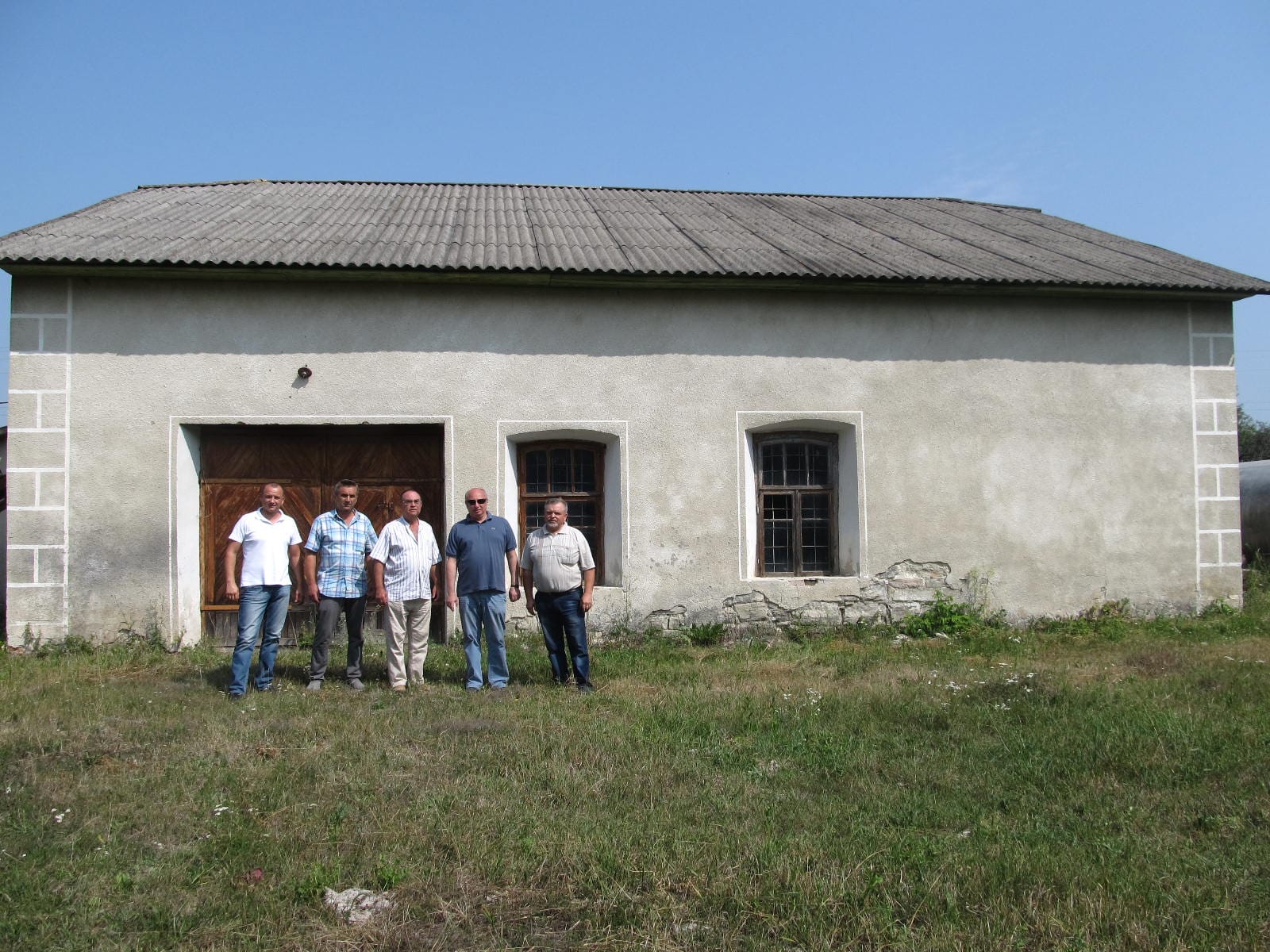
What the wars did not destroy, the Soviet authorities finished off. In the post-war period, the Jewish houses near the synagogue, which had become deserted and leaning everywhere, were demolished by heavy bulldozers, the territory was leveled, and the synagogue turned into a processing plant. Today, giant barrels and mechanisms rust in its courtyard, and conveyors of production lines stick out of the windows. We did not manage to get inside, but looking through the windows, we noticed a large niche in the floor in one of the rooms. Apparently, this was a former mikvah.
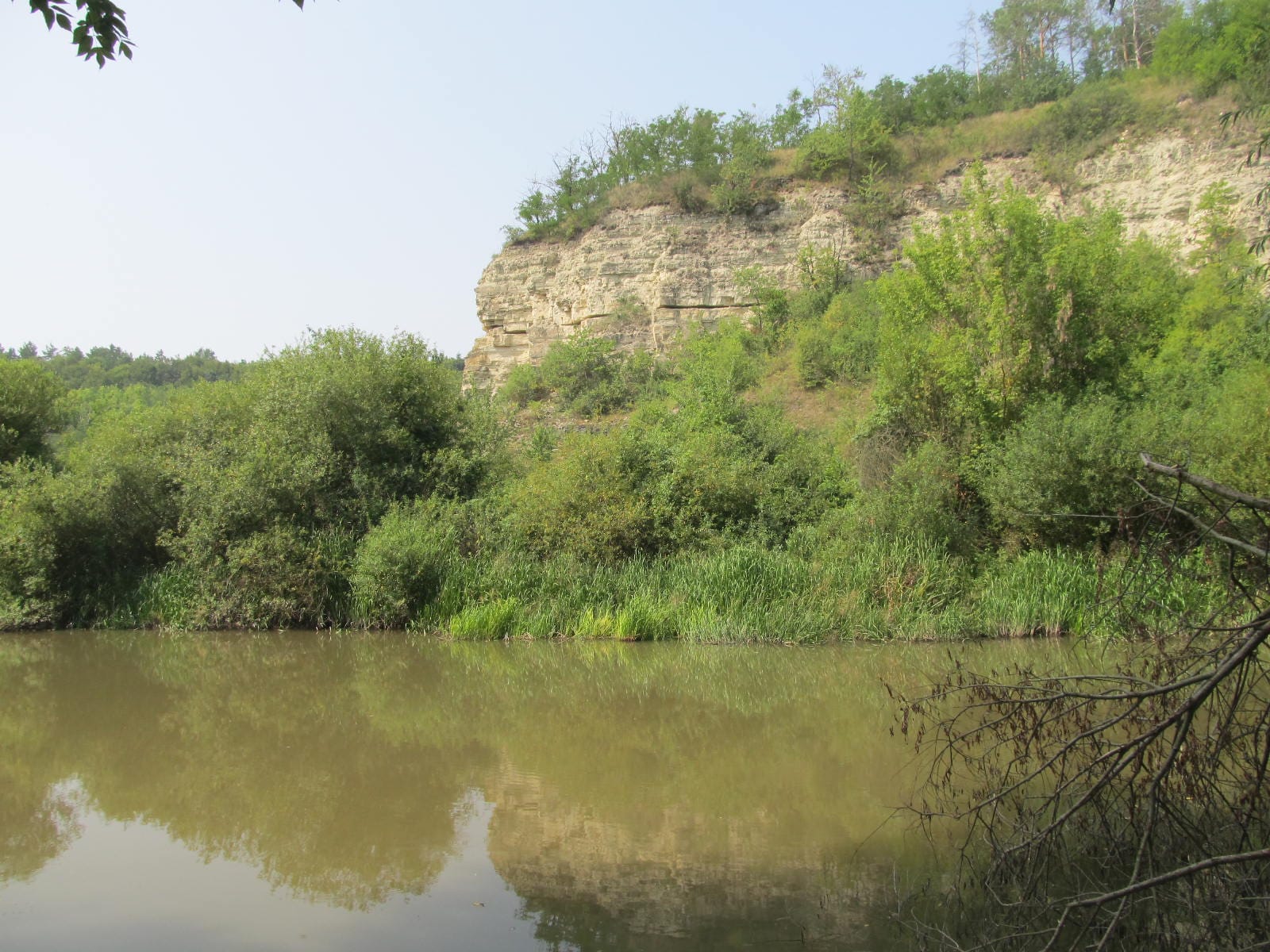
After the synagogue, we moved to the bank of the Zbruch River, where a bridge once stood - an important structure that provided Zbryzha and its residents with stable development and income. Now the bridge is gone, but if it had been there, the level of the village could have been significantly raised, connecting it with the nearest large settlement in the Ternopil region - Skala-Podilska.
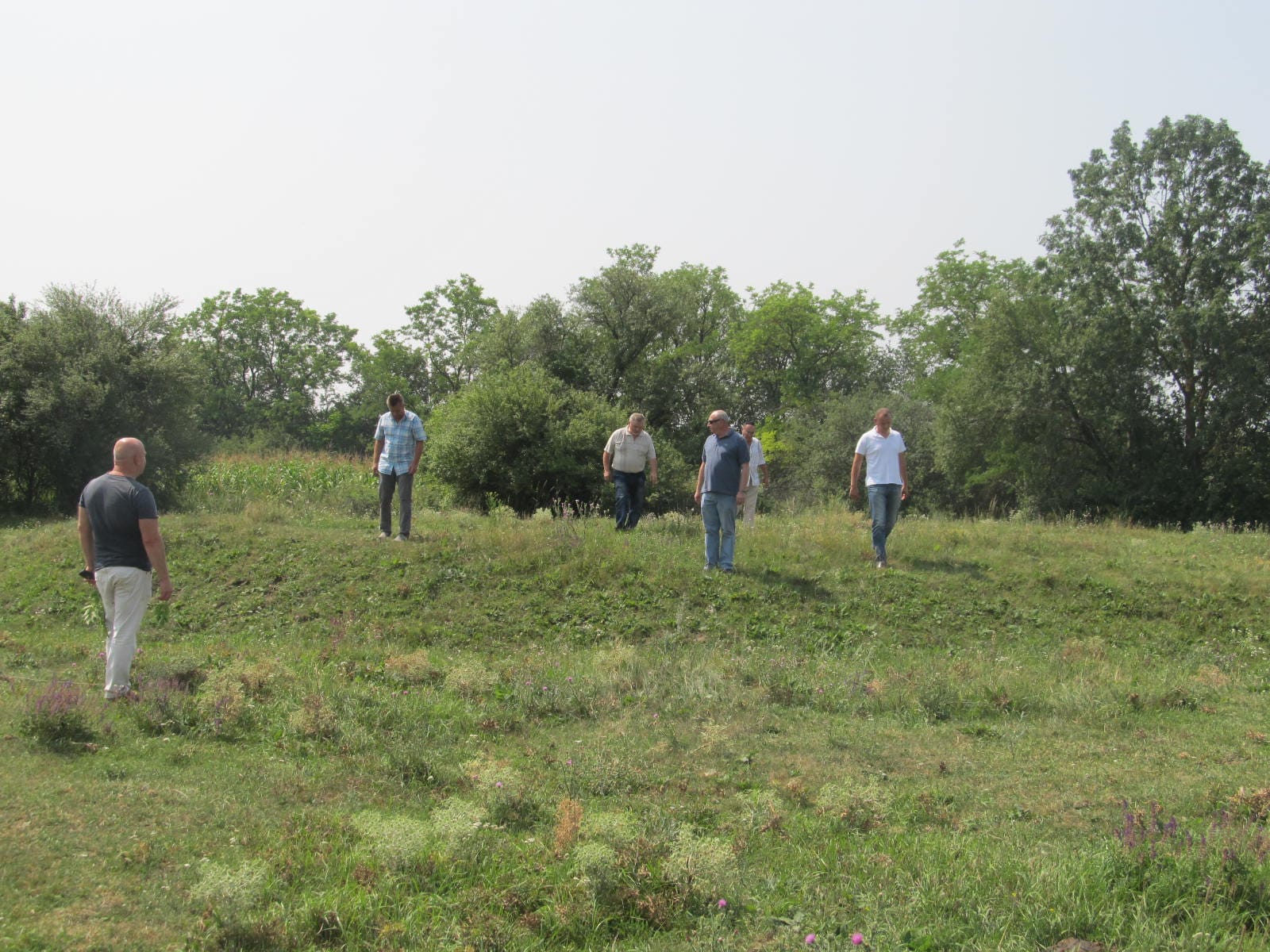
The next stop on our visit was the "Okopysko" district - the area where the Jewish cemetery used to be. It is still there today, but compared to other cemeteries in our region, it is extremely empty. Even earlier, Mr. Oleksiy collected fragments of matzevs here, which he keeps in his own yard as silent evidence; fragments can also be found in the bushes on both sides of the cemetery, but you will not see whole slabs here. Instead, in the middle of the cemetery rises a mound with a flat top. What was in its place is unknown, but such an element is not inherent in Jewish burials.
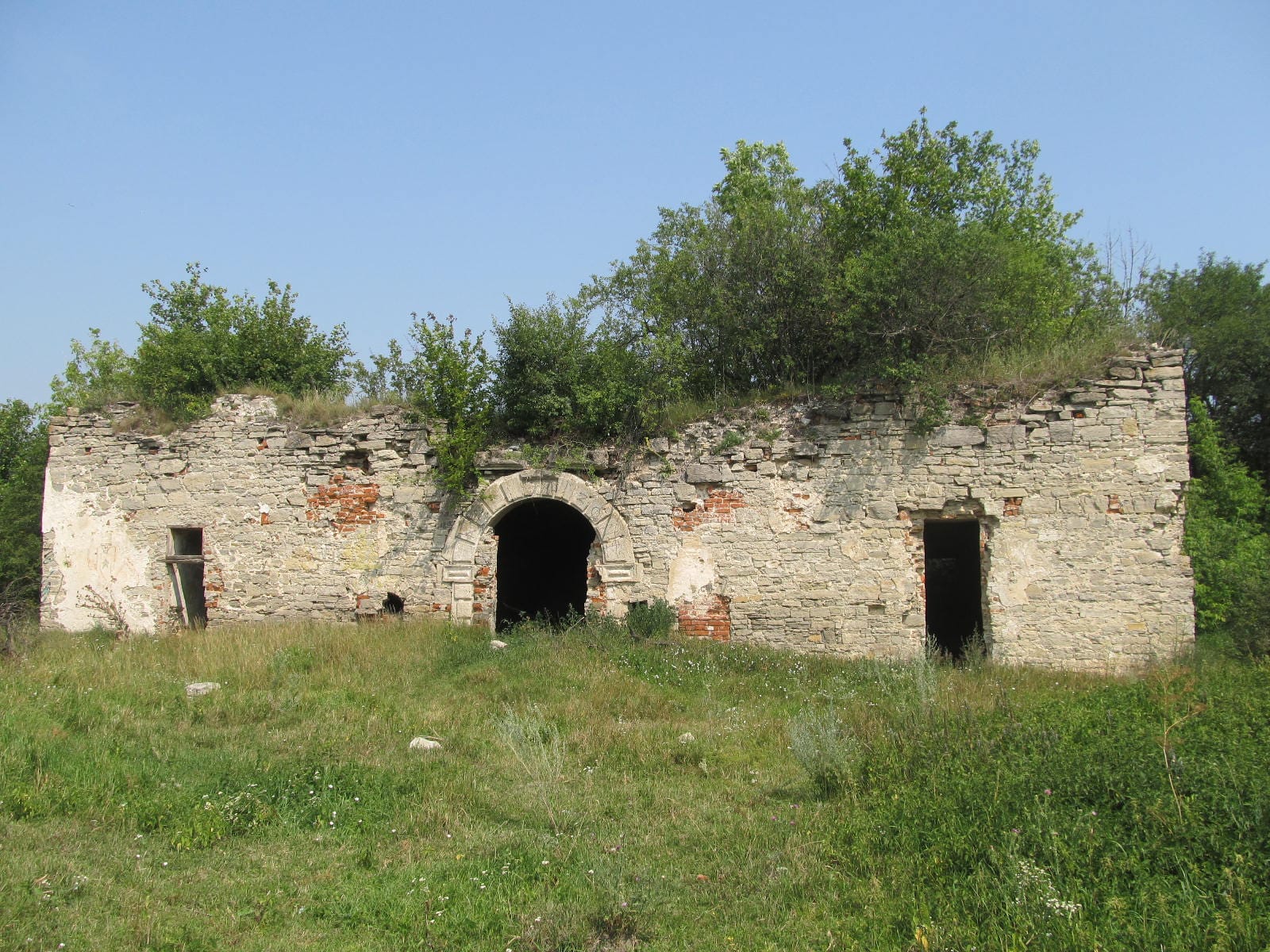
Not far from the cemetery are the remains of a fortification. This was the gate to the city during the times of the Polish-Lithuanian Commonwealth. The walls adjacent to the gate were dismantled by the peasants for their own needs. On the wall of one of the rooms, from under at least five layers of plaster, a fresco resembling the appearance of a saint appears. The technique in which the drawing was made is extremely primitive, so knowledgeable people believe that this is a work of the late Middle Ages.
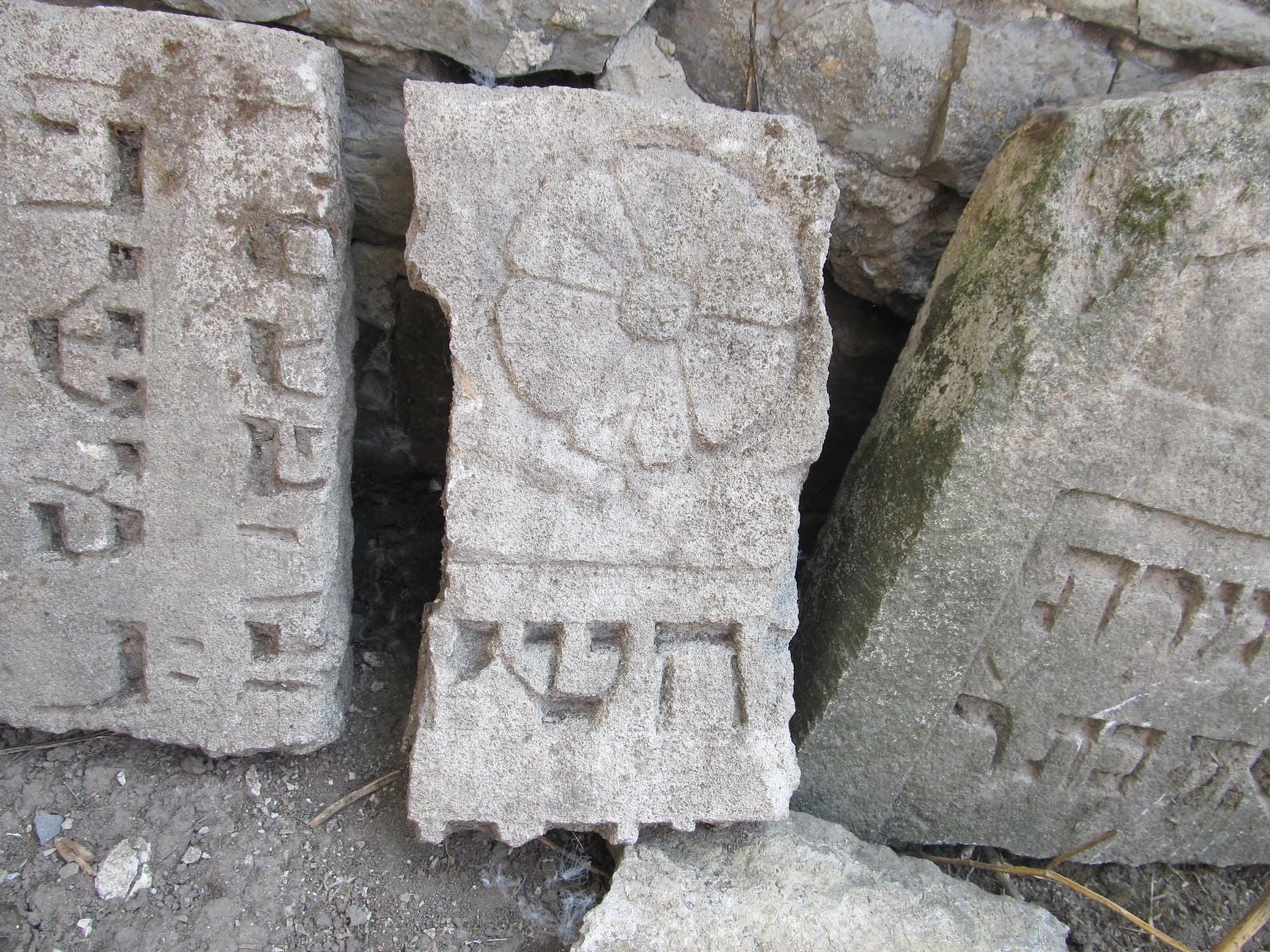
Already in the village head's estate, we had the opportunity to view his findings - fragments of matzevs. When the man consulted a rabbi on social media about what to do with the stones, he was advised to bury them in the ground, according to tradition. However, according to the head of the village council, this should become the property of a museum. The ornaments on the slabs are extremely diverse: from primitive to carved with great skill, which may indicate differences of hundreds of years between different fragments.
It is impossible to return Zbryzh to its former glory, but to revive the village and its infrastructure, to create conditions for the development of green tourism is a difficult but achievable task. Oleksiy Vasylyovych and like-minded people, such as local historian and antique lover Anatoliy Shvets, are convinced that anything is possible, but without knowledge of the past there is no future. Therefore, first of all, caring people are taking up the study of history, restoring monuments and values that have been exemplary for hundreds of years for all Zbryzh residents. In the near future, it is planned to erect a monument to the Magdeburg Law, which was and is given here to well-developed settlements.
For its part, the Khmelnytskyi Charitable Foundation "Hesed Besht" is grateful to the residents of the village of Zbryzh and its head for their concern and careful attitude towards the monuments of Jewish culture. We publish this material with the hope that the descendants of those from the Jewish community of Zbryzh will see it (and Oleksiy Umnov has several examples of respectable people whose ancestors were from here) and will help recreate the history of the community or become patrons of the arrangement of Jewish monuments. Our organization will also join in the popularization of Zbryzh and, perhaps, its former glory will once again shine on the banks of the winding Zbruch!
Viacheslav Nagnybida
