
The gastronomic preferences of the inhabitants of our region have been formed over many years and have been influenced by various national trends. The multiculturalism of Podillia has absorbed the subtle flavors of different nationalities, and Jews were among the first. The issues of ethnocultural factors in the formation of the traditions of Ukrainian national cuisine were discussed at the inter-cathedral round table of the same name at the Khmelnytskyi Cooperative Trade and Economics College. Representatives of the Khmelnytskyi Charitable Foundation “Hesed Besht” were also invited to this event.
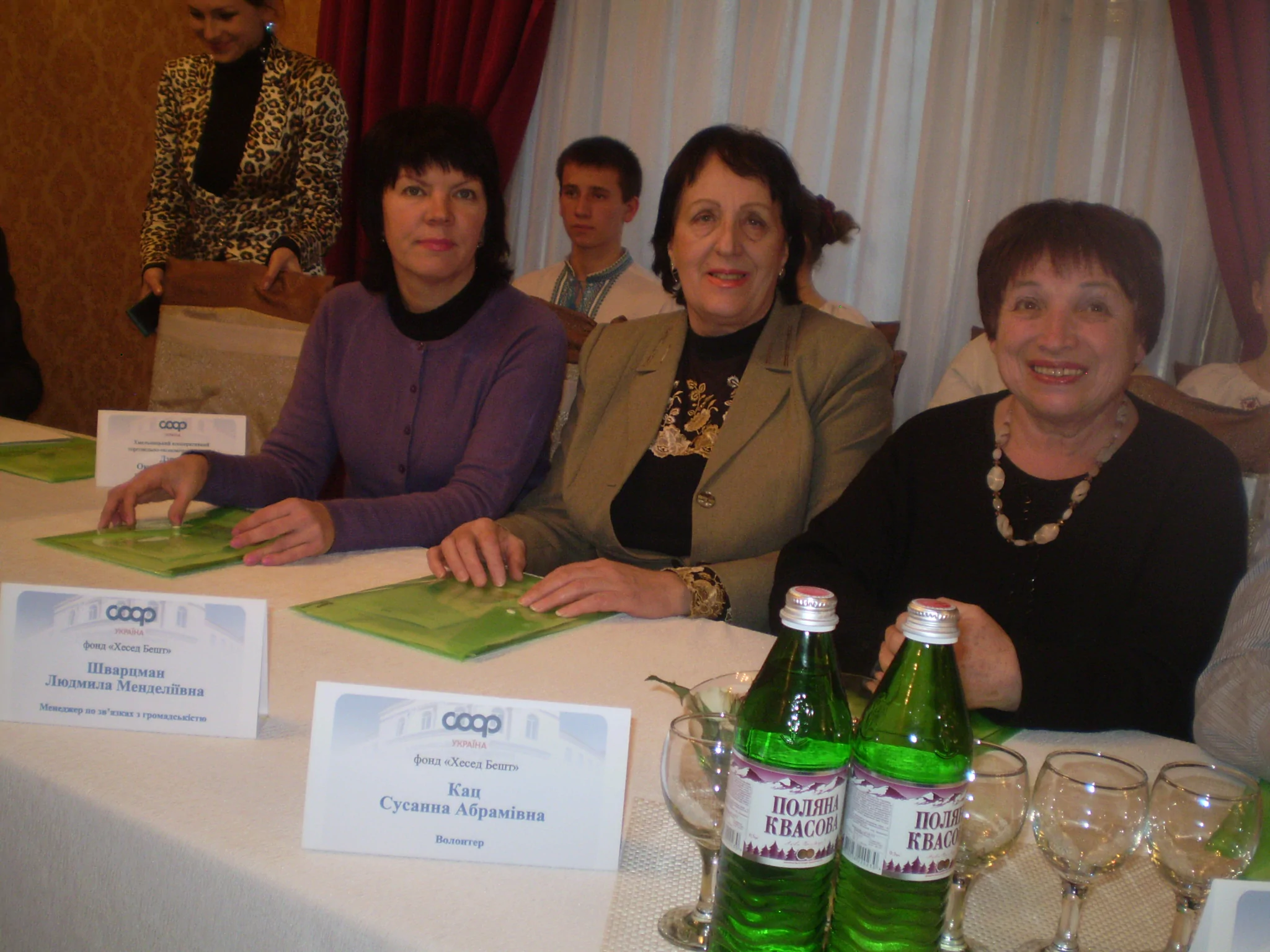
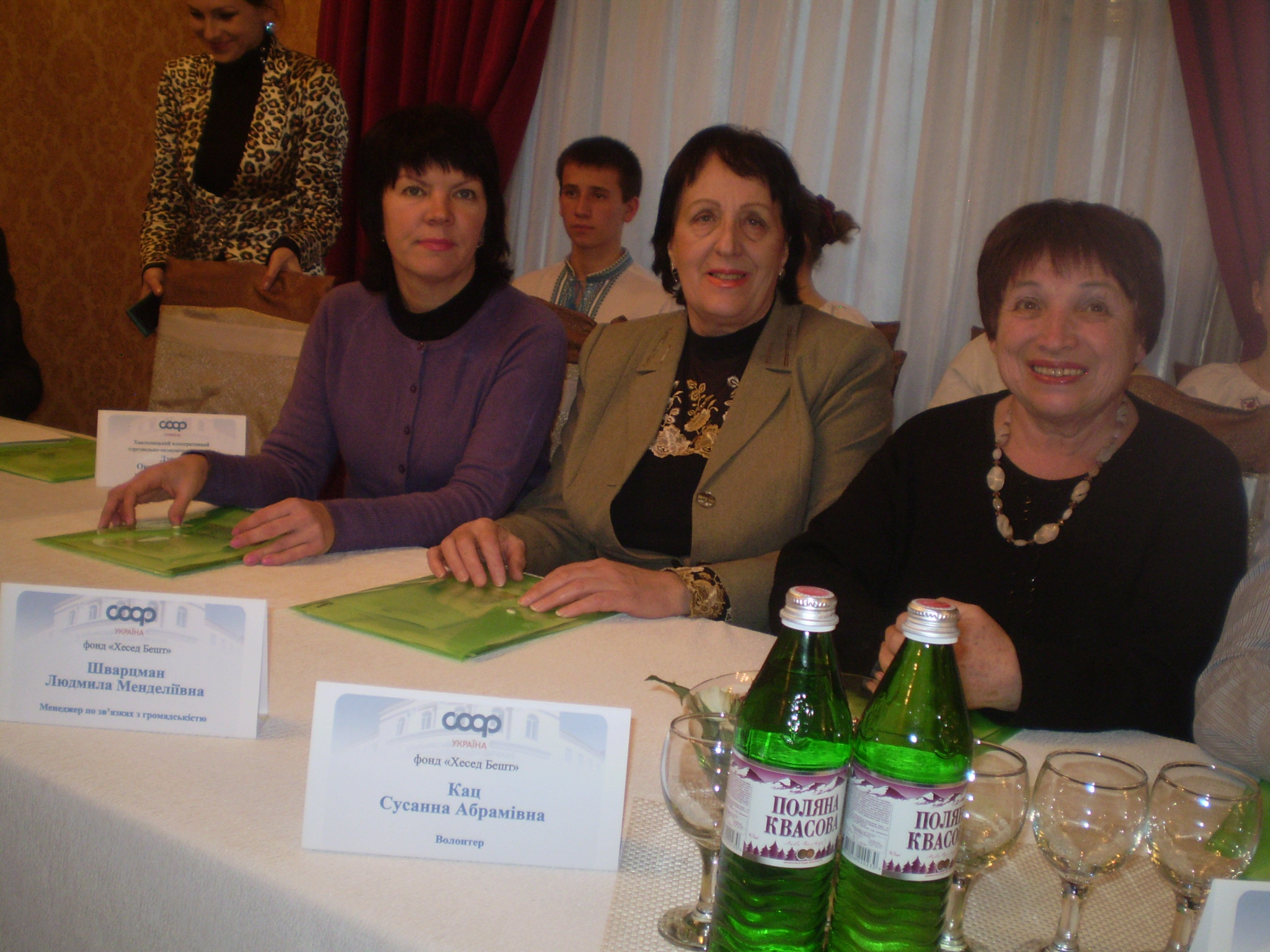
The round table was attended by Public Relations Manager Lyudmila Shvartsman, Social Work Manager in the Food Sector Angela Tarashchan, and Foundation volunteer Susanna Katz. Together with representatives of other national societies, such as Polish, Armenian, and Russian, the guests spoke about the peculiarities of national cuisines and their contribution to the formation of today's Ukrainian culinary tradition.
Angela Tarashchan deals with issues of providing food to needy clients of the Hesed Besht Charity Foundation. It is important for her to choose those products that are permitted by the rules of kashrut and to inform people about what can be bought and what should be avoided. Therefore, at the round table, the manager drew the attention of those present to the peculiarities of Jewish cuisine, related to the prohibitions on certain groups of products that are widely used by other nationalities. She also spoke about the dishes of Ashkenazi and Sephardic cuisine, which were present within the Jewish settlement of our territory.
Susanna Katz is one of those people whose memories hold a wealth of ancestral recipes and whose hands skillfully transform products into true culinary wonders. Ms. Katz's famous signature strudel is known to everyone who has met her at least once. At the round table, she spoke about the culinary customs in her native Zinkov, where there was a strong Jewish community.
Lyudmila Shvartsman informed all those present about the information guides, literature and events held by the Foundation in the direction of preserving and increasing the achievements of Jewish cuisine. The Hesed Besht Jewish Cuisine Foundation has repeatedly held master classes on Jewish cuisine. Two youth projects in the last three years (“Yachad” by volunteer Maxim Kolesnikov and “Kovcheg” by Lyudmila Shvartsman) were aimed at teaching the younger generation the wisdom of Jewish cooking.
In addition to representatives of the Hesed Besht Jewish Community Foundation, the roundtable also discussed Jewish cuisine with the head of the new city restaurant, Spiegel's Restaurant. The restaurant is located in a building that previously belonged to lawyer Spiegel and is an important architectural landmark on the map of Khmelnytskyi Jewish District.
Other issues raised at the round table concerned the issue of youth education and employment of college graduates in their specialty. But the event itself once again demonstrated the tolerance and deep interethnic integration that exists in the society of the Khmelnytskyi region.
